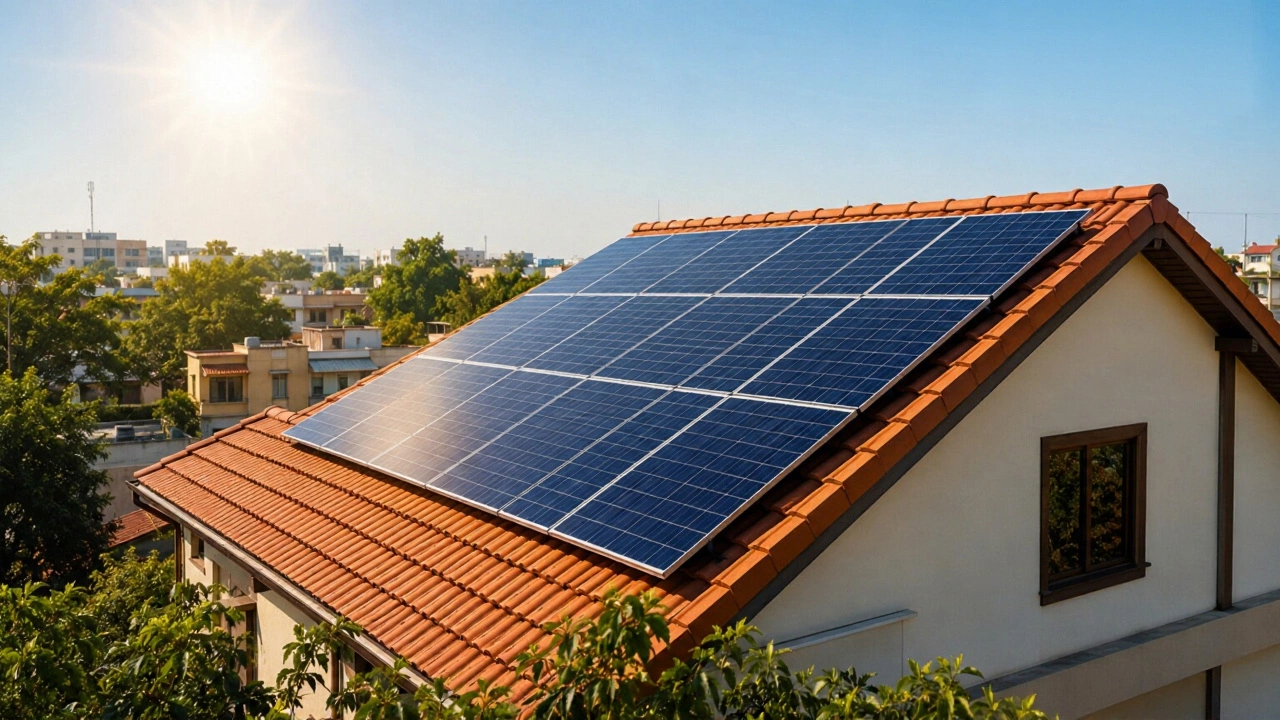
As scorching heatwaves grip India, households are staring down the barrel of astronomical electricity bills. But here’s the twist: the central government’s PM Surya Ghar Muft Bijli Yojana offers a lifeline that could slash those costs to zero. Launched by Prime Minister Narendra Modi, this scheme isn't just about green energy—it's about financial survival during peak summer months when air conditioners run non-stop.
The timing couldn't be more critical. With temperatures soaring and power grids straining under the load, many families are facing both high tariffs and occasional outages. This initiative aims to turn every home into a mini-power plant, allowing residents to generate their own electricity while receiving substantial subsidies from the government.
The Financial Breakdown: How Much Do You Save?
Let’s talk numbers, because that’s what matters most right now. Without any subsidy, installing a rooftop solar system costs between ₹60,000 and ₹80,000 per kilowatt (kW). That’s a steep upfront price tag for most middle-class families. However, the central government steps in to cover 40% to 60% of this cost through direct subsidies.
The subsidy structure is tiered based on system capacity:
- 1 kW System: Maximum subsidy of ₹30,000
- 2 kW System: Maximum subsidy of ₹60,000
- 3 kW or More: Maximum subsidy of ₹78,000
Is It Worth the Investment? The Payback Period
Skeptics might wonder if the savings justify the hassle. Let’s look at a real-world example. A typical 3 kW solar plant costs around ₹1,80,000 to install. After deducting the maximum central subsidy of ₹78,000, the homeowner pays roughly ₹1,02,000 out-of-pocket (or less with state aid).
If you live in an area where electricity rates are approximately ₹8 per unit, a 3 kW system generating 250–300 units monthly saves you about ₹2,200 every month. Over a year, that’s ₹26,400 in savings. At this rate, the initial investment breaks even in just four years. Here’s the best part: solar panels last 20 to 25 years. So, after that first four-year period, you’re essentially getting free electricity for the next two decades.
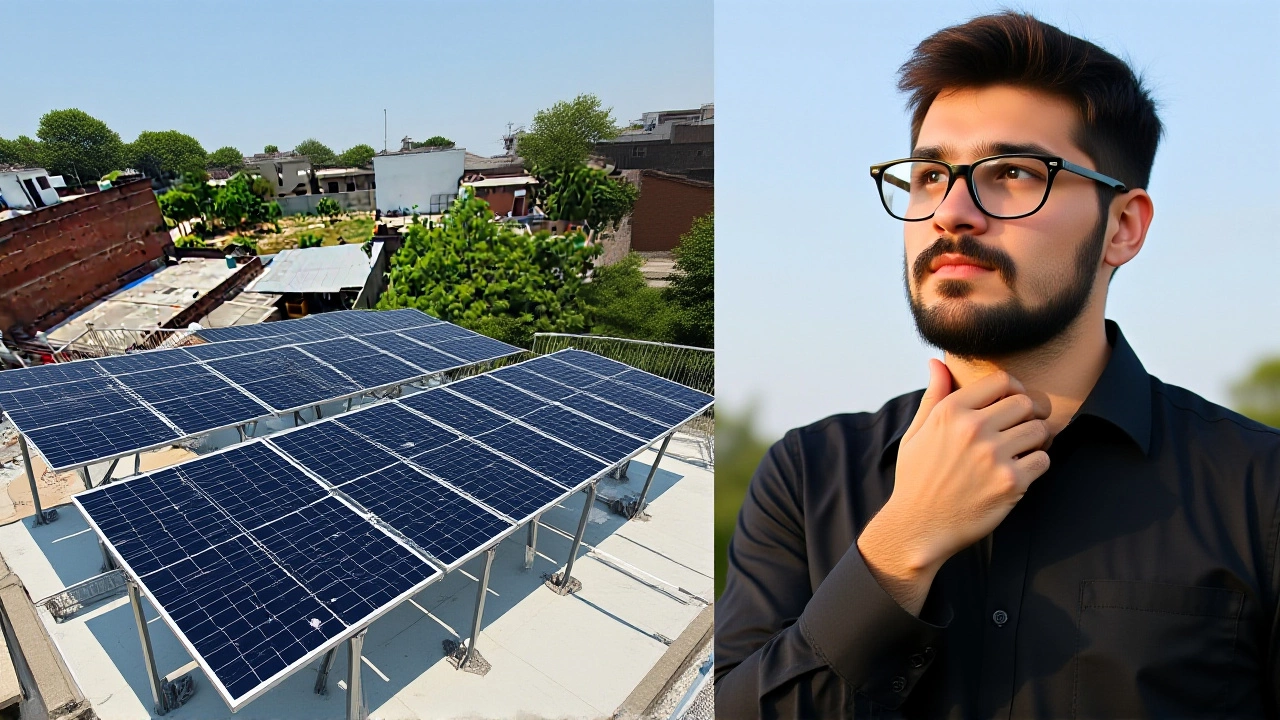
Who Qualifies and How to Apply?
You don’t need to be a tech expert to benefit from this scheme. Eligibility is straightforward:
- You must be an Indian citizen.
- You must own the roof of your residential building.
- You must have an active electricity connection.
After submission, wait for approval from your local DISCOM. Once approved, contact a registered vendor from the portal list to handle the installation. After the panels are up, upload technical details to the portal and apply for net metering. A physical inspection follows, and if everything checks out, a net meter is installed. Finally, upload your bank details to receive the subsidy directly into your account—usually within 30 days of commissioning.
Net Metering: Turning Excess Power Into Credits
One of the smartest features of this program is net metering. If your solar panels produce more electricity than your home consumes during the day, that excess power flows back into the national grid. In return, you receive credits on your electricity bill. These credits offset the power you draw from the grid at night or on cloudy days. Essentially, your home becomes a battery-free storage solution, balancing supply and demand seamlessly.
Experts recommend sizing your system based on consumption. Families using around 150 units monthly should opt for a 1 kW system. Those using up to 300 units need 2 kW, while heavy users exceeding 300 units should consider 3 kW or larger setups. Each kW requires approximately 100 square feet of unshaded roof space.
Deadline Alert: March 2027
Time is ticking. According to reports from NDTV and officials from the Ministry of Power, the deadline to avail benefits under the PM Surya Ghar Yojana is March 2027. This means homeowners have less than a year to complete installation and documentation to secure the full subsidy. Delays in vendor scheduling or DISCOM approvals could jeopardize eligibility, so starting early is crucial.
Frequently Asked Questions
Can I get a loan to install solar panels under this scheme?
Yes, banks offer specific loans for solar installations. You will need your PAN card, email ID, and standard income documents. The subsidy is often deducted directly from the loan amount or paid to you after installation, reducing your principal liability significantly.
What happens if my roof doesn't have enough space?
Each kW of solar capacity requires about 100 square feet of clear, shadow-free roof space. If you lack space, you may need to choose a smaller system (e.g., 1 kW instead of 3 kW) or explore community solar projects if available in your region.
How long does the entire process take?
From registration to subsidy receipt, the process typically takes 45 to 60 days. Registration and approval take 1-2 weeks, installation another week, and inspection plus commissioning 2-3 weeks. The subsidy transfer happens within 30 days of final commissioning.
Do I need maintenance for these panels?
Maintenance is minimal but necessary. Regular cleaning to remove dust and debris ensures optimal efficiency. Most vendors offer annual maintenance contracts (AMCs) for a small fee, which covers inspections and minor repairs, ensuring the system lasts its full 25-year lifespan.